



Best Time To Dive Costa Rica | A Local’s Month-by-Month Guide
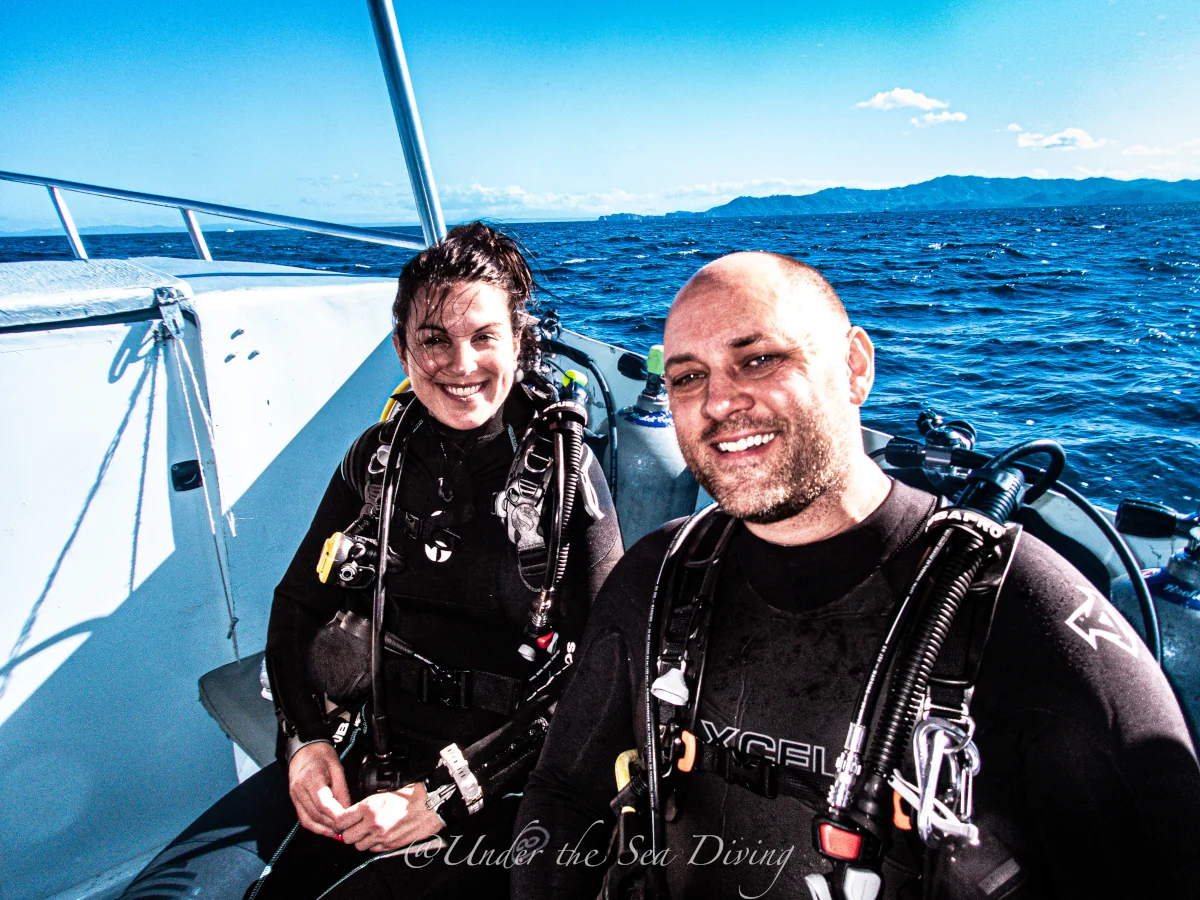
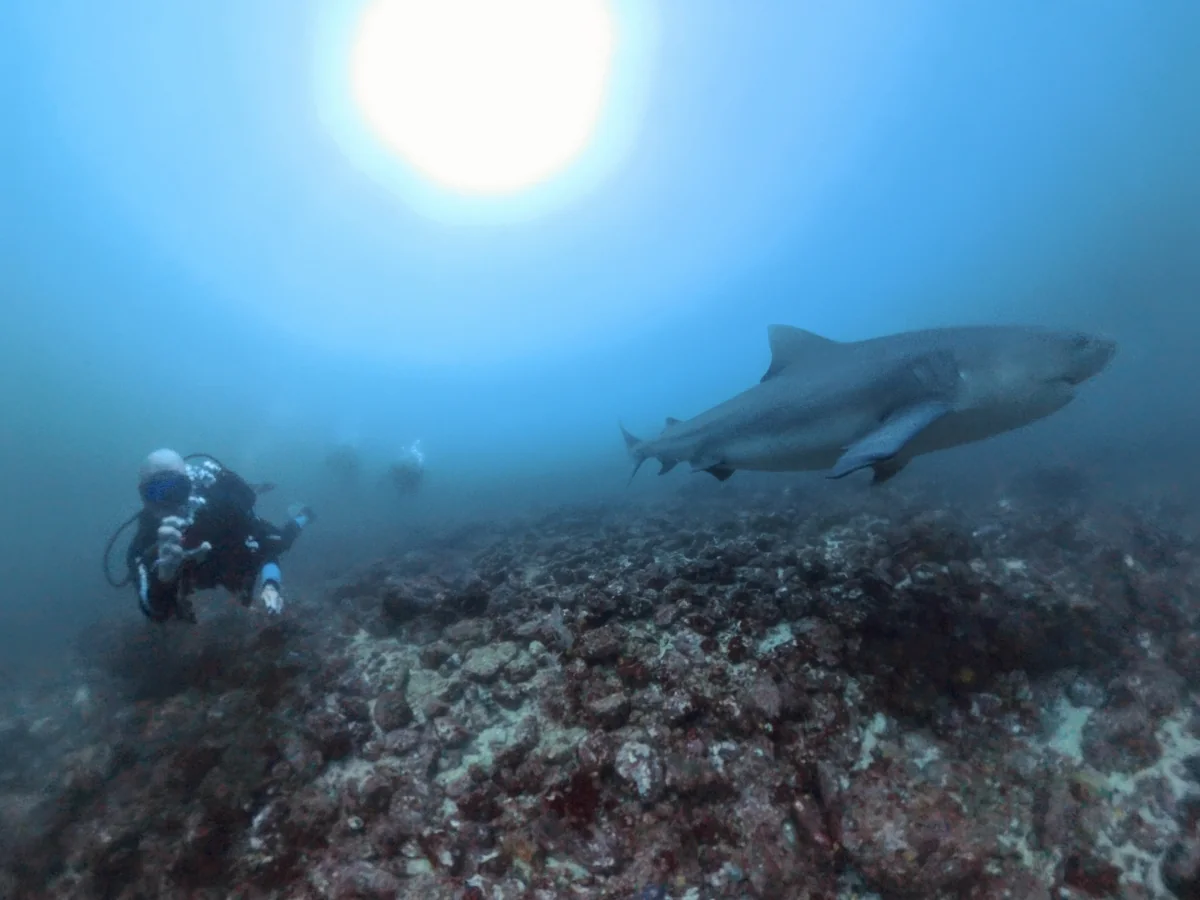
After running dives out of Playa Potrero almost every day for the past two years, the question I get more than any other is some version of “when should I come?” It’s a fair question, and the honest answer is that there isn’t one best time to dive Costa Rica — there are two, and they’re completely different experiences. The Pacific coast of Guanacaste runs on two seasons that divers actually care about: the dry season from December through April, and the green season from May through November. Both deliver world-class diving. The difference comes down to what you want to see, what conditions you’re comfortable in, and how much you mind sharing the boat with other travelers. I’ve had guests show up in February for crystal-clear water and leave having swum under a 20-foot manta ray. I’ve had guests show up in August expecting muddy chop and end up nose-to-nose with bull sharks at the Bat Islands. The Pacific off this coastline doesn’t really have a bad month — it has months that favor certain animals, certain conditions, and certain divers. What’s actually going on under the surface is pretty simple once you understand the engine driving it. Strong offshore winds during the dry season push warm surface water away from the coast, which pulls cold, nutrient-rich water up from the deep. That upwelling drops temperatures and visibility temporarily, but it’s also what brings the manta rays in to feed at the cleaning stations around the Catalina Islands. The green season flips the equation — winds calm down, the water warms up, visibility improves, and the bigger pelagic species start showing up in numbers. Bull sharks aggregate around the Bat Islands during the green season in a way you genuinely can’t find reliably anywhere else in Central America. Whale sharks pass through on migration during the shoulder months. Sea turtles, eagle rays, white-tip reef sharks, schooling jacks — all of that is here year-round. So the question isn’t whether the diving is good when you visit. It’s which version of “good” you’re booking. The rest of this guide breaks it down month by month, calls out what to expect in terms of water temperature and visibility, and tells you which experiences line up with which weeks of the calendar. If you’re planning a trip and you have flexibility in your dates, this should help you pick the window that matches what you actually want to dive. If your dates are locked in, this’ll tell you exactly what to expect when you get here.
Diving Costa Rica Season By Season |
The dry season runs December through April, and it’s the window most travelers default to because the weather above water is at its best — blue sky days, almost no rain, light onshore winds in the afternoons. Below the surface, this is manta ray season, full stop. From late November through April, Giant Pacific manta rays show up consistently at the Catalina Islands cleaning stations, and we run trips specifically targeting them. Wingspans up to 20 feet, often four or five animals on the same dive, sometimes circling close enough that you forget to breathe for a second. Water temperatures during the dry season can swing more than people expect because of the upwelling — you’ll see surface readings around 82°F look great until you drop down and hit a thermocline pushing the bottom temperature down to 68°F. A 5mm wetsuit is the right call almost every dive in this window. Visibility ranges anywhere from 30 to 80 feet depending on the day, and the crowd factor is highest in February and March when the dry-season high season peaks. The green season runs May through November, and the moment guests hear “green season” they think rain and assume the diving must be worse. It isn’t — it’s just different. Mornings are almost always clear and dry. Rain typically rolls in during the late afternoon or evening, which is after we’ve already been back on land for hours. What changes underwater is significant: the upwelling stops, the thermocline mostly disappears, and water temperatures stabilize at a much more comfortable 82°F to 86°F top to bottom. A 3mm wetsuit or even a shorty is plenty. Visibility improves to a consistent 40 to 100 feet at most sites. And critically, this is when the Bat Islands bull shark expeditions come online. Sites like Big Scare deliver close-range encounters with dozens of bull sharks at once, and Under The Sea Diving is the only operator running these trips year-round. The other quiet win of the green season is the lack of crowds — you’ll have smaller groups on the boat, more flexibility on dates, and the same Pura Vida hospitality without the high-season prices on hotels and flights. For experienced divers, May through October is genuinely the best time of year to be in Guanacaste. If you want both — manta rays AND bull sharks — the shoulder weeks of late April and early November are your sweet spot. The animals overlap slightly at the transition, and you can sometimes book a single trip that catches both seasons. The catch is that conditions are less predictable, so don’t lock in a one-day visit and expect both. Plan three to five dive days and you’ll likely see one or the other depending on what week you land.
Month-By-Month | Best Time To Dive Costa Rica
- December – February — Peak dry season. Manta ray sightings at the Catalinas are at their most consistent, visibility runs 40–80 feet, and the thermocline can drop bottom temps to 68°F — pack a 5mm wetsuit. Book early, this is our busiest window.
- March – April — Manta season tail end and the best month for new divers chasing their PADI Open Water certification. Warm air, dependable conditions, and the animals are still showing up. Late April flips into a transition window where you might catch the first bull sharks of the year.
- May – July — Green season begins. Water warms to 82°F+, visibility climbs, and Bat Islands bull shark expeditions are running. Smaller groups, fewer boats, and afternoon rain that almost never affects our morning dives. This is my personal favorite stretch.
- August – October — Peak bull shark season at the Bat Islands and the best chance for whale shark sightings during migration. October has more rain than September but the diving stays excellent — and trip prices and hotel rates are at their lowest.
- November — The transition month, and one of the best-kept secrets of the year. Bull sharks are still around, mantas are starting to return, and you can occasionally see both on the same trip. Conditions are unpredictable but the rewards are real for divers with flexibility.
Ready to Dive In?
Pick your window, and we’ll handle the rest. Whether you’re chasing manta rays in February or bull sharks in August, our team at Under The Sea Diving runs small-group trips out of Playa Potrero every day of the year.
Book Your Dive Now