



Catalina Islands Manta Rays · Volcanic Reefs · World-Class Diving
Over 20 volcanic islets rising from the Pacific create one of Central America's most spectacular dive destinations — nutrient-rich cleaning stations that draw Giant Pacific Manta Rays with wingspans reaching 20 feet.
Where Volcanic Geology Meets Pacific Biodiversity
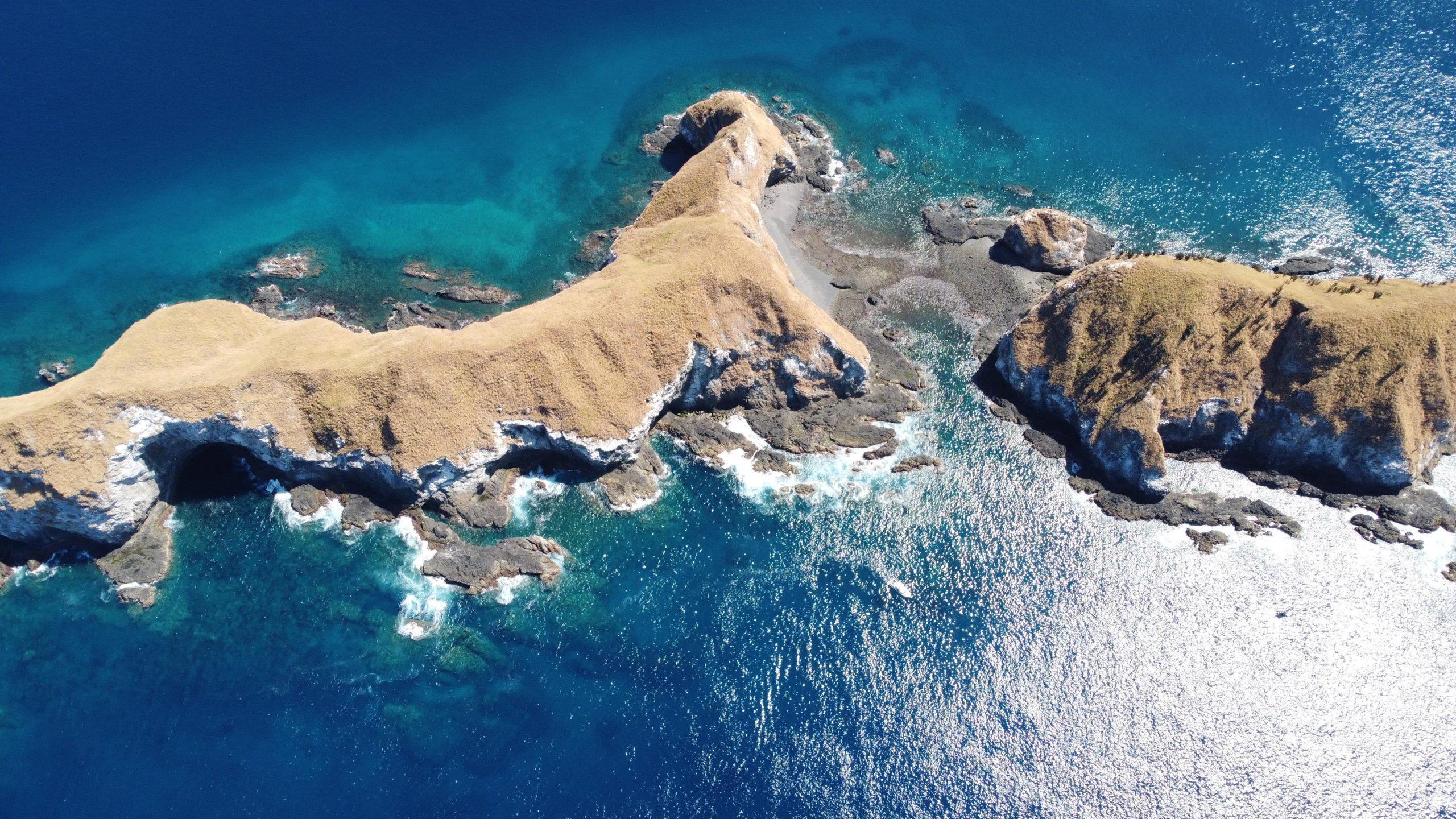
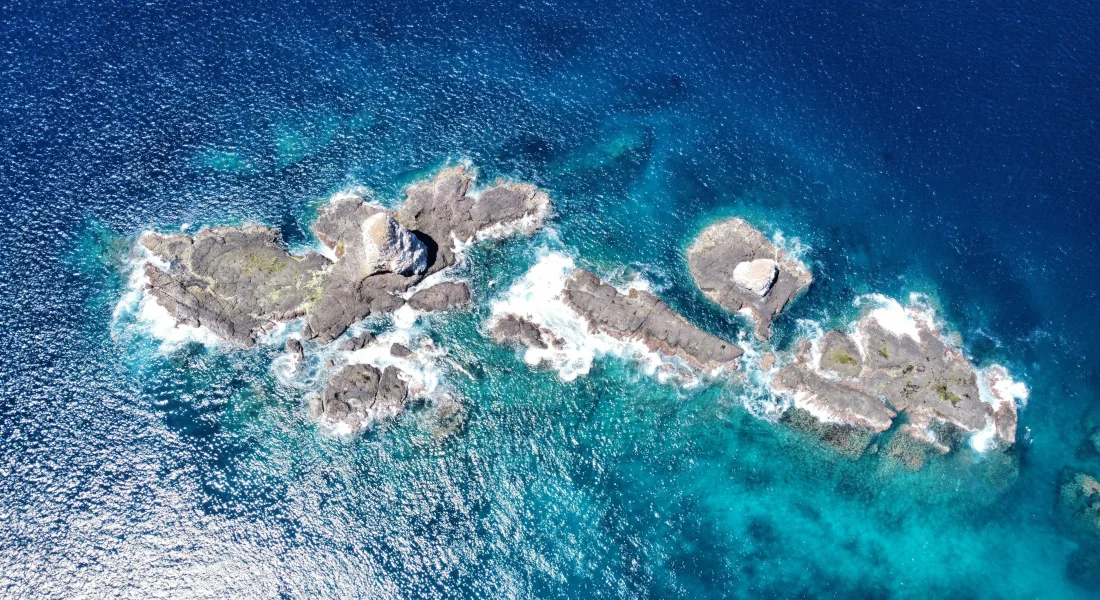
Located off the northwest coast of Guanacaste, near Playa Flamingo and Potrero, the Catalina Islands consist of over 20 volcanic rocky islets and pinnacles rising from the sea. These rock formations create nutrient-rich upwellings and cleaning stations that draw massive aggregations of marine life year-round.
The dramatic underwater terrain — pinnacles, arches, rocky outcroppings, and boulder fields — shelters an extraordinary diversity of species. Dive sites for all levels across volcanic reefs at depths ranging from 15 to 110 feet make this one of the most dynamic dive environments on Costa Rica's Pacific coast.
What You'll See Underwater
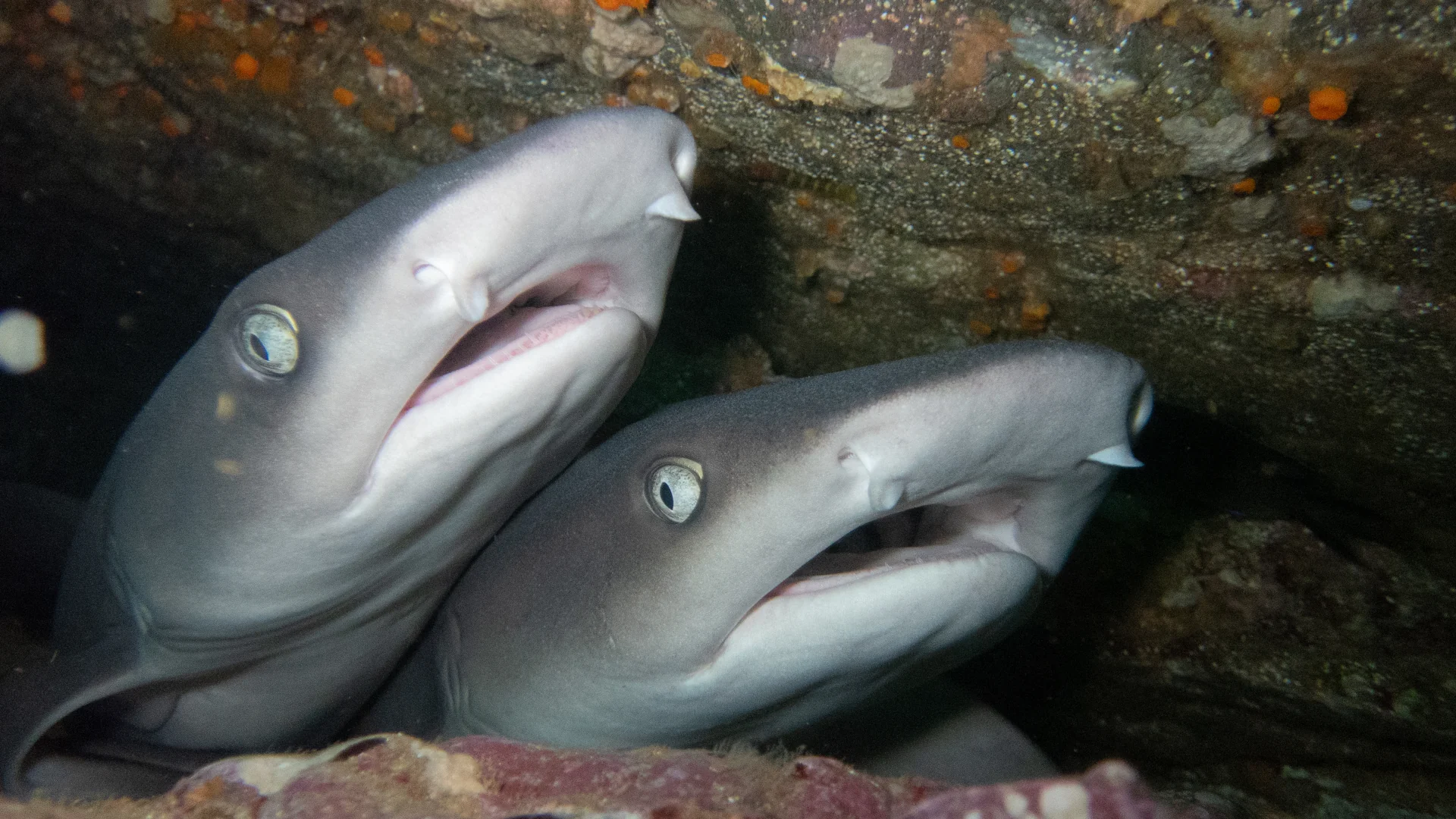
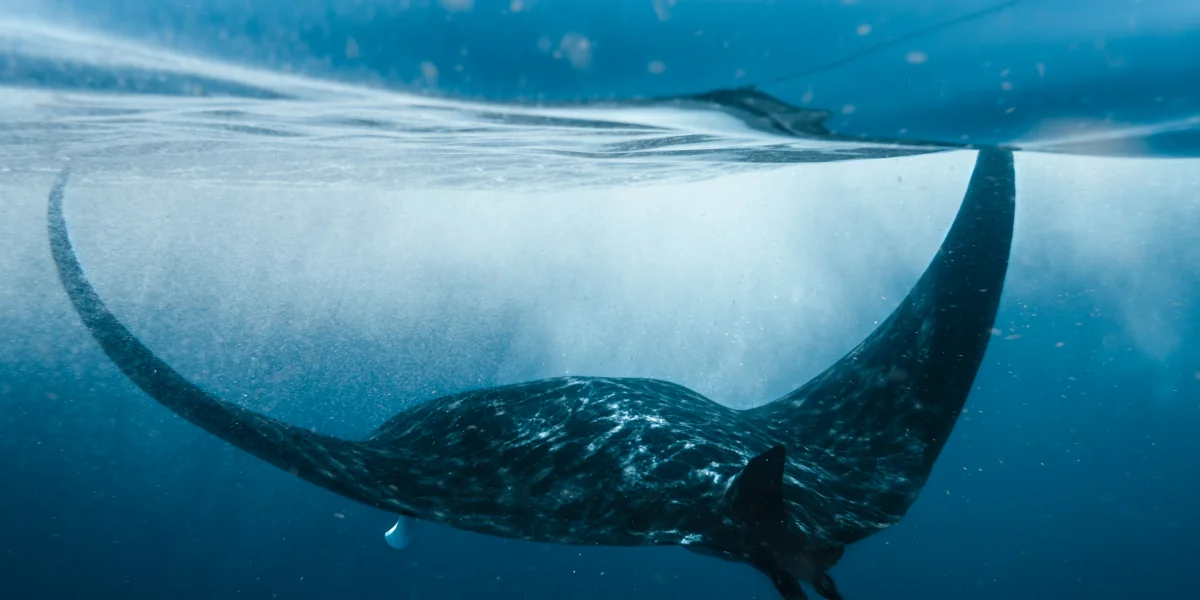
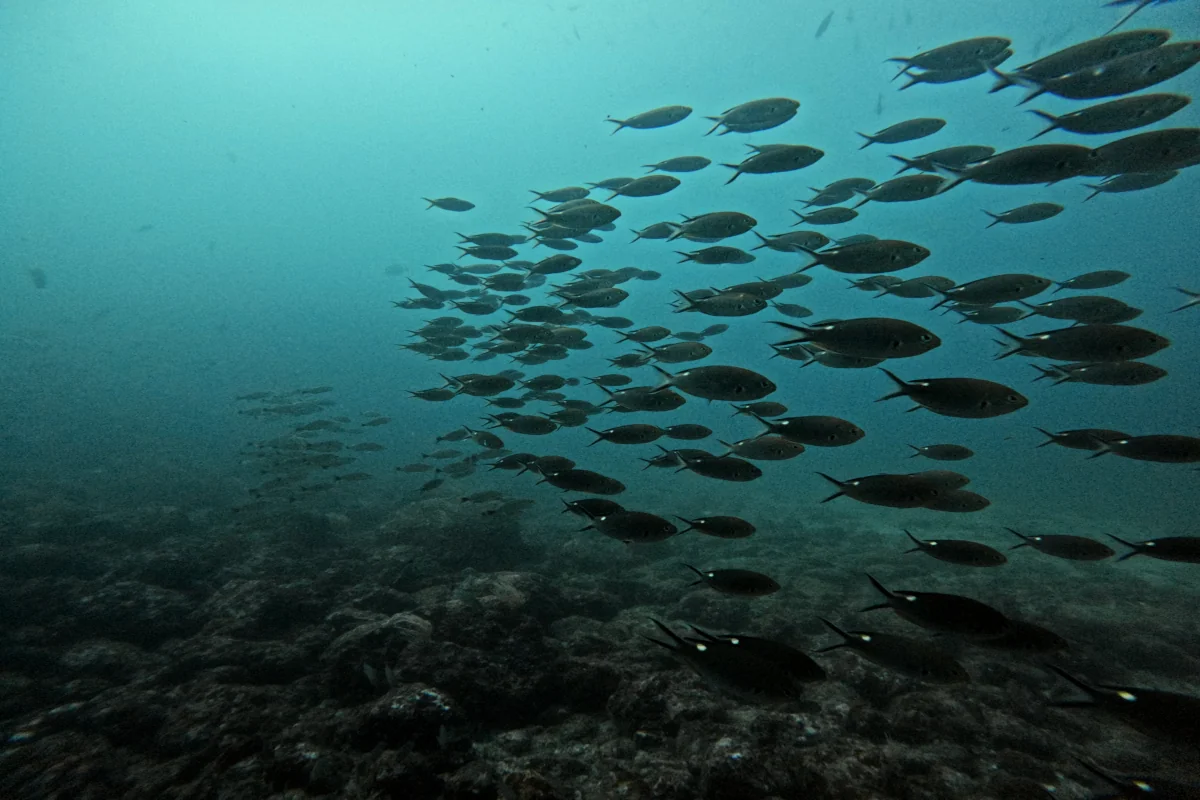
The Catalinas are best known for Giant Pacific Manta Rays — oceanic mantas with wingspans up to 20 feet visit the cleaning stations in large aggregations, especially from November to April when cooler waters arrive. But the biodiversity here extends far beyond mantas. Spotted eagle rays, white-tip reef sharks, sea turtles, moray eels, octopuses, and enormous schools of jacks and grunts are regular sightings. On special occasions, devil rays breach at the surface to remove parasites, while whale sharks and even humpback whales or orcas pass through during migration season.
What to Expect on the Dive
Dive sites are chosen daily by our highly experienced staff based on the current variable conditions, making these sites suitable for divers of all certification levels. Visibility averages 15 to 80 feet depending on the season, with the clearest water running May to September and peak manta season is December to April.
- Depth 15 – 110 ft
- Visibility 15 – 80 ft
- Water Temperature 68 – 85°F
- Best Season Nov – Apr
- Diver Level Beginner - Professional
- Current Variable
30+ Dive Sites and Counting
The Catalina Islands are not a single dive site — they are an island chain with over 30 distinct dive sites, each with its own terrain, depth profile, and marine life. Under The Sea Diving knows every one of them.
We're always finding new sites. Here are some of our favorites:
- Classico
- Pailas
- Jardin
- Punto Sur
- Norte
- Sombreros Oeste
- Sombreros Este
- Sombrero Sur
- Arco Iris
- Brummel
- Guacamaya
- Bonsai
- Peligrosa
- Monster
- Cupcake East
- Cupcake West
- Dirty Rock
- Elephant
- Cuatro Piedras Sur
- Cuatro Piedras Centro
- Flat Rock
- Isla Plata
Getting There & What to Expect
Under The Sea Diving departs directly from Playa Potrero, giving us the fastest access point to the Catalina Islands on the Guanacaste coast. The boat ride typically takes 18 to 25 minutes depending on conditions. We run two and three-tank trips to the Catalinas year-round, visiting multiple sites within the island chain to maximize your chances of manta ray encounters and explore the variety of terrain the islands offer. All equipment is available for rent from our beachfront dive shop. We strongly recommend booking in advance during peak manta season (November through April) as trips fill quickly.
Ready to Dive the Catalinas?
Contact our team to book your expedition to the Catalina Islands. We'll handle everything from gear to guides.
CONTACT US TO BOOK